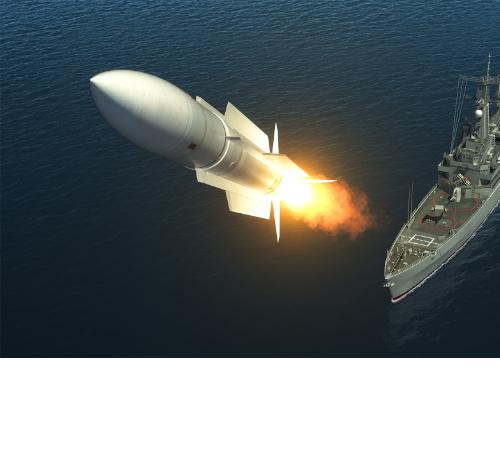
Missile Technology
ReLogic's Missile Technology business unit is focused on development and transition of missile technologies for tactical, re-entry, and hypersonic systems. This multidisciplinary group takes a system engineering approach to ensure technology is developed with performance requirements derived from system-level objectives. The business unit possesses the key subject matter expertise and experience in all areas of thermal protection system design, analysis, and flight hardware qualification. The team offers holistic capabilities for development and flight qualification of missile technologies including:
- Aerothermal, CFD, and Structural Analysis
- Material and Manufacturing Method Development and Qualification
- Design for Manufacturability and Affordability
- Ground Test and Evaluation
- Prototype Development and Integration
- Production Support

AREAS OF EXPERTISE


THERMO-STRUCTURAL GROUND TESTING
Our approach to TPS ground testing is to design the test parameters to validate modeling and analysis methods and to provide an anticipated material and component level response during flight. Thermo-structural ground testing is a critical step in the development of hypersonic missile systems, as it allows engineers to evaluate the performance and reliability of the missile's materials and components under simulated flight conditions. Thermo-structural ground testing typically involves subjecting the missile to high temperatures, pressures, and other environmental conditions that simulate the extreme conditions encountered during hypersonic flight.
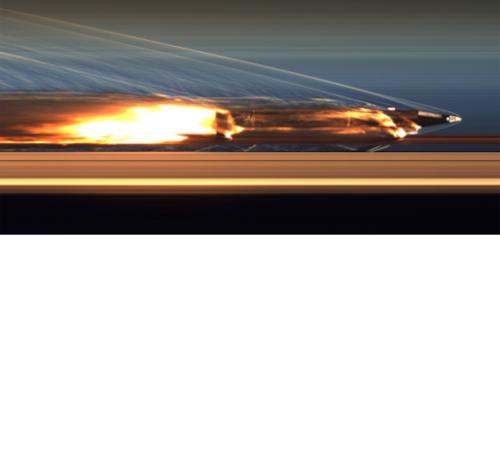
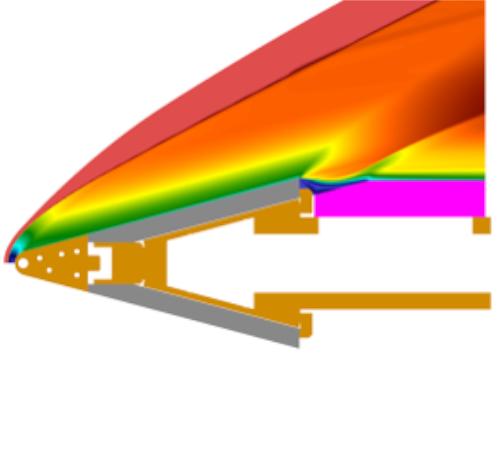
Hypersonic flow field modeling and simulation is a critical aspect of the design and testing of hypersonic missile systems. The goal of flow field modeling and simulation is to accurately predict the behavior of air and other gases around the missile as it travels at hypersonic speeds, which can help engineers to optimize the missile's performance and identify potential problems. ReLogic’s flow field modeling approach utilizes a broad toolset of modeling and simulation codes with various levels of fidelity that may be used during the development of a hypersonic missile system
HYPERSONIC FLIGHT TEST VEHICLE ASSEMBLY AND TEST EXECUTION
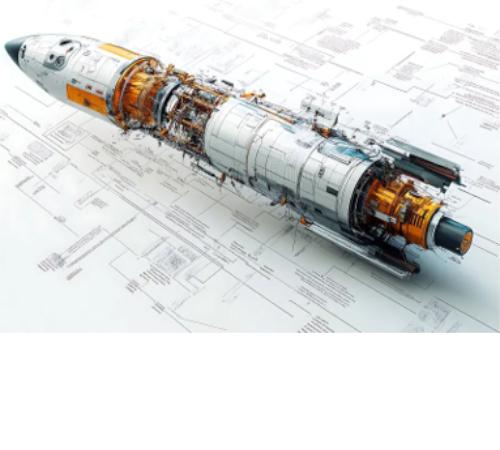
Hypersonic flight test vehicle assembly and test execution is a critical aspect of the development and validation of hypersonic missile systems. Flight Testing is the most critical step in the validation of a hypersonic missile system which combines high-fidelity system simulations with full-scale hardware performance demonstrations. ReLogic's approach to flight testing includes all of the key steps advancing from a conceptual idea to integrated flight test hardware.
ADVANCED SEEKER WINDOW TESTING AND INTEGRATION
Advanced seeker window testing and integration is a critical aspect of the development and testing of hypersonic missile systems. The seeker window is a key component of the missile's guidance system, which is responsible for identifying and tracking targets during flight. Seeker window testing and integration involves verifying the performance and reliability of the seeker window, and integrating it with the missile's guidance system to ensure accurate targeting. Our approach to designing hypersonic seeker windows is to utilize advanced materials that have demonstrated performance, manufacturability, and affordability to meet both engineering and program objectives.